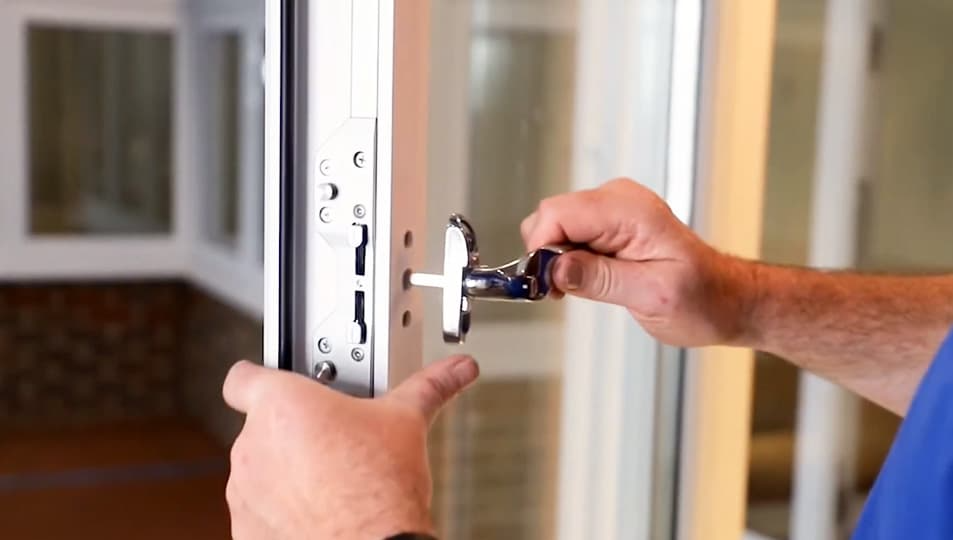
The Advanced Guide To Lock Replacement
Lock Replacement: A Comprehensive Guide to Enhancing Home Security
In the world of home security, locks play a critical function in protecting your home and liked ones. Over time, locks can break, end up being out-of-date, or merely require updating to fulfill contemporary security requirements. Whether lock upgrade dealing with a malfunctioning lock, moving into a new home, or looking to boost your current security steps, understanding the procedure of lock replacement is necessary. This short article supplies an in-depth guide on lock replacement, from the kinds of locks offered to the steps included in the procedure.
Types of Locks
Deadbolt Locks
- Single Cylinder Deadbolt: Operates with a secret on the outside and a twist knob on the inside.
- Double Cylinder Deadbolt: Requires a key on both sides, offering boosted security but possibly posing a fire danger if not used correctly.
- Keyless Deadbolt: Uses a combination or finger print scanner for gain access to.
Cylinder Locks
- Pin Tumbler Cylinder: Commonly used in door deals with and padlocks.
- Disc Tumbler Cylinder: Used in some high-security applications.
- Warded Cylinder: Older and less secure, however still discovered in some older homes.
Electronic Locks
- Smart Locks: Can be controlled by means of smartphones or voice-activated devices.
- Biometric Locks: Use fingerprint, facial, or iris recognition.
- Card Reader Locks: Common in commercial settings and some houses.
Padlocks
- Mix Padlocks: Uses a numeric or alphabetic mix.
- Keyed Padlocks: Requires a physical secret.
- Discus Padlocks: Designed for heavy-duty usage.
Reasons for Lock Replacement
Security Concerns
- Outdated Locks: Older locks might not satisfy current security standards.
- Run-down Locks: Poorly working locks can be quickly bypassed.
- Harmed Locks: Physical damage can jeopardize the lock's stability.
Convenience
- Smart Locks: Offer the benefit of remote control and keyless entry.
- Biometric Locks: Eliminate the requirement for carrying keys.
Moving into a New Home
- New Tenants: When leasing, property managers often require lock modifications.
- Home Buyers: Changing locks after acquiring a brand-new home is a common practice.
Compliance
- Insurance coverage Requirements: Some insurance plan might need specific types of locks.
- Local Regulations: Building codes and policies might mandate particular lock standards.
Actions for Lock Replacement
Evaluate Your Needs
- Identify the kind of lock you need based upon your security requirements, benefit, and budget plan.
- Procedure the existing lock to ensure the new one fits correctly.
Select the Right Lock
- Research different brands and designs to find a lock that fulfills your requirements.
- Consider the lock's toughness, ease of installation, and guarantee.
Collect Tools and Materials
- Tools: Screwdriver, drill (if required), and a hammer.
- Products: New lock, screws, and any extra hardware needed.
Remove the Old Lock
- Deadbolt: Unscrew the lock from the door and strike plate from the frame.
- Cylinder Lock: Remove the screws from the handle and take out the old lock system.
- Padlock: Simply get rid of the old padlock and discard it.
Install the New Lock
- Deadbolt: Align the new lock with the existing holes, screw it in, and connect the strike plate.
- Cylinder Lock: Insert the new lock system, connect the handle, and protect it with screws.
- Padlock: Place the brand-new padlock on the desired point and secure it.
Test the New Lock
- Ensure the lock operates smoothly and safely.
- Check the crucial or entry method to verify it works as planned.
Secure Additional Features
- For smart locks, established the app and link it to your home network.
- For biometric locks, register fingerprints or other biometric data.
Dispose of the Old Lock
- Check if the old lock can be recycled or if it needs to be disposed of in a particular way.
Frequently asked questions
How frequently should I replace my locks?
- It is recommended to replace locks every 5-10 years, depending on use and wear. However, if you notice any indications of damage or breakdown, replace them immediately.
Can I install a wise lock myself?
- Many wise locks are designed for DIY installation, however if you are uncertain, it is best to consult a professional locksmith.
What should I search for when choosing a lock?
- Think about the lock's security features, ease of usage, durability, and compatibility with your existing door. Also, check for accreditations like ANSI or UL.
Are all locks universal?
- No, locks can differ in size and type. Step your existing lock and door to guarantee the brand-new one fits properly.
How can I boost my home security further?
- Install several types of locks (e.g., deadbolts and cylinder locks).
- Include security cams and alarm systems.
- Use strong, distinct passwords for wise locks.
Tips for Choosing and Installing a New Lock
- Speak with a Professional: If you are uncertain about the type of lock to pick or the installation process, speak with an expert locksmith professional.
- Check Compatibility: Ensure the brand-new lock is suitable with your door and existing hardware.
- Protect Backup: For wise locks, produce a safe backup of your keys or gain access to codes.
- Routine Maintenance: Keep your brand-new lock well-kept to ensure it functions appropriately over time.
Changing locks is a crucial aspect of maintaining home security and benefit. By understanding the various types of locks available, the reasons for replacement, and the steps involved, homeowners can make educated decisions to secure their residential or commercial property efficiently. Whether you are updating to a clever lock or simply replacing an old deadbolt, the procedure of lock replacement can significantly boost your home's security and offer peace of mind.
Extra Resources
- Regional Locksmith Services: Search for reliable locksmiths in your location who can supply expert installation and upkeep services.
- Security Product Reviews: Read reviews and compare different locks to discover the best fit for your requirements.
- Home Security Guides: Explore thorough guides on home security to discover about extra measures you can require to secure your home.
By following this guide, you can make sure that your lock replacement process is smooth and efficient, adding to a more secure and more safe and secure living environment.